MAIN OFFICE
TOLL FREE
OAKVILLE OFFICE

Spring Plumbing Inspection Checklist for Toronto Homes

Professional plumbing team from Anta Plumbing Toronto

Last Updated on February 16, 2026 by Anta Plumbing Master Plumber

Spring plumbing inspections help Toronto homeowners prevent leaks, flooding, and water damage caused by thawing pipes, heavy rainfall, and clogged drains. Our checklist covers outdoor faucets, sump pumps, basement waterproofing, water heaters, and pipe inspections to save you from costly emergency repairs.

Why Spring Plumbing Maintenance Matters in Toronto

Spring in Toronto brings longer days, warmer weather, and unfortunately, plumbing problems that winter leaves behind. As snow melts and spring rains increase, your home’s plumbing system faces new pressure. Pipes that froze during winter may now be leaking, sump pumps are pushed to their limits, and even small unnoticed drips can turn into expensive water damage.

By following a spring plumbing inspection checklist, Toronto homeowners can prevent costly repairs, improve water efficiency, and protect their property from basement flooding, mold growth, and foundation issues.

1. Inspect Outdoor Hose Bibs & Faucets

One of the first areas to check in spring is your outdoor faucets and hose bibs. Cold Toronto winters often cause hidden cracks that only show up when you turn the water back on in spring.

  • Turn on each outdoor faucet and look for drips, leaks, or weak water flow.

  • Inspect hose bibs for splits or cracks from frozen water.

  • If you have a frost-free faucet, make sure it’s functioning correctly.

  • Wait before attaching garden hoses until you’re sure there are no leaks.

See also  Trenchless Sewer Line Repair vs Traditional Sewer Line Repair

A leaking hose bib can waste thousands of liters of water and increase your water bill. Addressing these issues early helps prevent damage to your home’s foundation and outdoor landscaping.

2. Clean and Test Your Sump Pump

Toronto homes with basements rely heavily on sump pumps maintenance during spring, when melting snow and heavy rain can overwhelm drains. A malfunctioning sump pump is one of the leading causes of basement flooding.

  • Remove any debris from the sump pit.

  • Pour a bucket of water into the pit to confirm that the pump activates automatically.

  • Test the backup battery system if you have one (especially important during spring storms).

  • Listen for unusual noises while the pump is running.

A properly maintained sump pump can save you thousands of dollars in water damage repairs. If your sump pump is more than 7–10 years old, consider scheduling a professional inspection or replacement.

3. Check Basement Humidity & Waterproofing

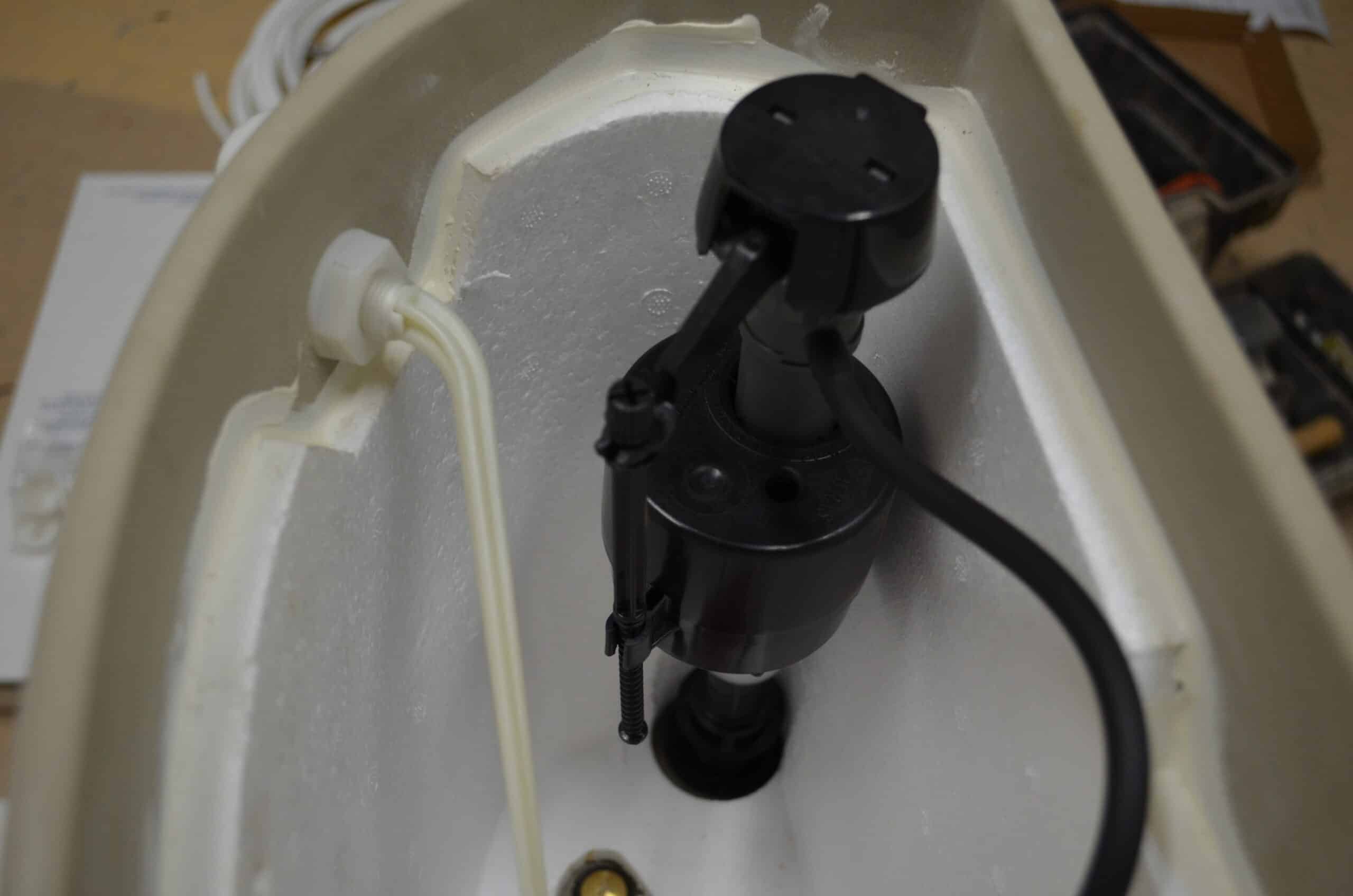
Toilet tank inside Fill valve

Spring moisture combined with thawing snow makes Toronto basements especially vulnerable to dampness and mold growth. High humidity not only damages walls and flooring but can also compromise indoor air quality.

  • Inspect your basement walls and floors for damp spots, water stains, or cracks.

  • Use a hygrometer to measure humidity levels (keep it below 60%).

  • Run a dehumidifier if humidity is high to prevent mold and mildew.

  • Ensure floor drains and window wells are clear of debris.

  • Check that your foundation waterproofing is intact and not letting groundwater seep inside.

If you notice musty odors or visible mold, it’s a strong sign that your basement needs immediate waterproofing solutions.

4. Service Your Water Heater

Copper ball valve valve

After working hard all winter, your water heater deserves some spring maintenance to stay efficient and extend its lifespan. Sediment buildup is common in Toronto’s water supply and can cause energy waste or even failure.

  • Flush your tank water heater to remove sediment buildup that reduces heating efficiency.

  • Inspect the anode rod (if it’s more than 3–5 years old, it may need replacement).

  • For tankless water heaters, schedule a descaling service to prevent mineral buildup.

  • Check for leaks around valves and connections.

  • Ensure your water heater is set to 120°F (49°C) — hot enough for safety but not too high to waste energy.

See also  Athletes’ Village Falling Apart: Team GB Hires Private Plumbing Firm

A well-maintained water heater not only ensures reliable hot water but also helps you avoid unexpected breakdowns when you need it most.

5. Inspect Pipes for Leaks or Corrosion

Toronto winters put extra stress on plumbing pipes, and spring is the time when hidden damage shows up. Even a small, unnoticed leak can cause structural damage and drive up your water bills.

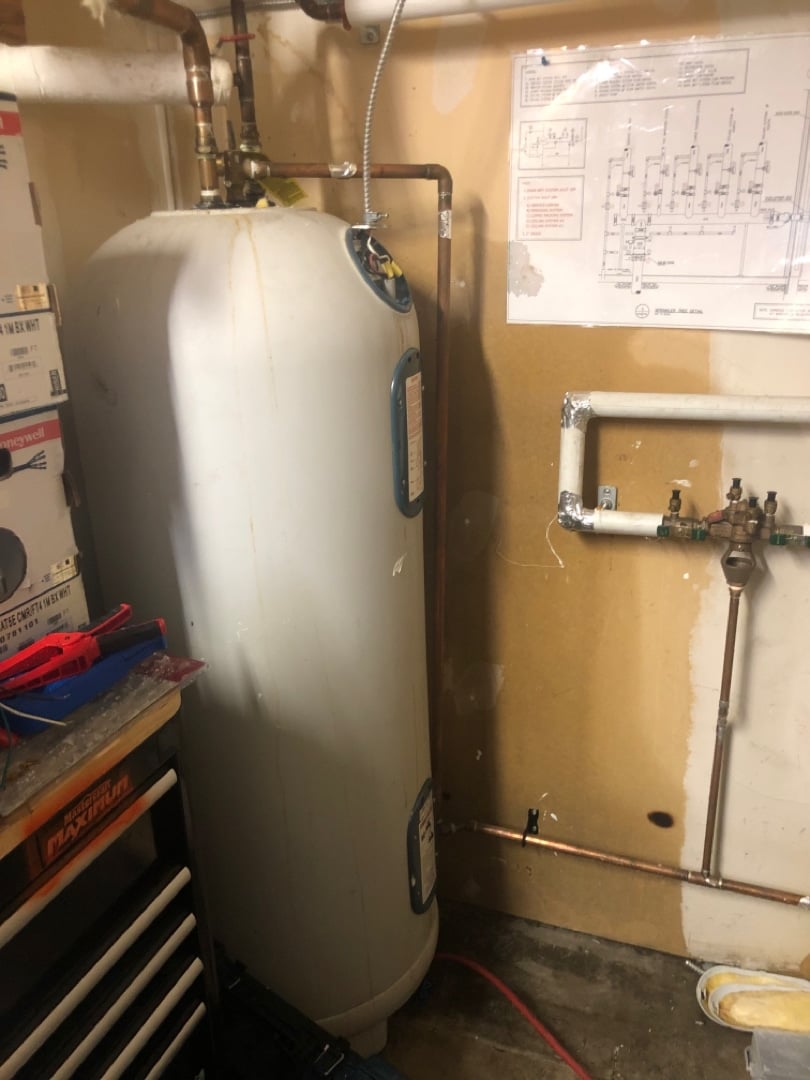
Hot Water Tank Water heater

  • Check visible pipes in basements, under sinks, and utility rooms for drips or water stains.

  • Look for green or white deposits on copper pipes — a sign of corrosion.

  • Inspect PEX and PVC joints for cracks or loosened connections.

  • Run your taps and listen for rattling or banging noises (a sign of pressure problems or loose pipes).

  • Add pipe insulation to any exposed pipes to reduce temperature stress.

If you suspect a hidden leak, schedule a professional leak detection service. Tools like thermal cameras and acoustic sensors can find issues before they turn into major repairs.

6. Clean Gutters and Downspouts

Floor drain Rough-in

Spring rain combined with leftover winter debris can overwhelm your gutters and downspouts, leading to foundation leaks and basement flooding. Proper drainage keeps water away from your home’s structure.

  • Clear out leaves, twigs, and dirt from gutters.

  • Make sure downspouts direct water at least 6 feet away from the foundation.

  • Check for loose or sagging gutters and repair them promptly.

  • Inspect storm drains and catch basins around your property for blockages.

Clean gutters and properly extended downspouts are your first line of defense against basement flooding during heavy Toronto spring rains.

7. Test Indoor Fixtures & Toilets

Your sinks, faucets, and toilets can reveal early warning signs of plumbing issues. A quick inspection in spring helps catch problems before they worsen.

Camera CCTV for drain and Storm pipes

  • Check all faucets for drips or slow leaks. Even a small drip can waste hundreds of liters of water each month.

  • Flush each toilet to ensure proper operation. If you hear continuous running, replace the flapper or fill valve.

  • Test shut-off valves under sinks and behind toilets — they should turn easily in case of emergencies.

  • Monitor your water pressure. Low pressure may indicate a hidden leak or clogged pipes.

See also  How to Handle a Plumbing Emergency Successfully?

Fixing minor fixture issues right away prevents higher water bills and costly repairs down the road.

8. Schedule a Professional Plumbing Inspection

While DIY checks are valuable, nothing replaces the expertise of a licensed Toronto plumber. A professional can detect hidden problems and provide preventive maintenance that homeowners often overlook.

  • Annual inspections catch small leaks, corrosion, or code issues early.

  • Professionals use advanced tools for video pipe inspection, leak detection, and water pressure testing.

  • Many plumbing companies, including Anta Plumbing, provide seasonal tune-ups designed for Toronto’s unique climate.

  • A spring inspection ensures your home is ready for heavy rainfall, summer usage, and beyond.

Call Anta Plumbing at (416) 231-3331 or use our online booking form to schedule your Spring Plumbing Inspection today. Protect your home, save money, and enjoy peace of mind all season long.

Spring Plumbing Inspection FAQs

Why is a spring plumbing inspection important in Toronto?

Spring brings thawing snow and heavy rainfall, which can put extra pressure on your plumbing system. An inspection helps prevent basement flooding, pipe leaks, and water damage by catching issues early.

How do I prepare my plumbing for spring?

Start by checking outdoor faucets, testing your sump pump, cleaning gutters, and inspecting pipes for leaks or corrosion. Servicing your water heater and testing indoor fixtures are also key steps in a spring plumbing checklist.

Can clogged gutters really cause plumbing problems?

Yes. Blocked gutters and downspouts can cause water to pool near your home’s foundation, leading to leaks and even basement flooding. Keeping them clean ensures proper drainage during spring rains.

What should I check on my sump pump in spring?

Make sure the sump pit is clean, pour water into it to test automatic activation, and confirm the backup battery system works. A properly functioning sump pump protects your basement from flooding.

Should I call a plumber for a spring inspection, or can I do it myself?

While you can perform a basic DIY checklist, a licensed Toronto plumber can detect hidden leaks, corrosion, and code issues using advanced tools. For peace of mind, scheduling a professional inspection is highly recommended.

Facebook
WhatsApp
Twitter
LinkedIn
Pinterest

Need fast, reliable help with your plumbing issue? At Anta Plumbing, we make plumbing a worry-free & convenient experience! If you’re looking for a professional plumber that puts customers first, you are at right place.

📞 Call Now: (416) 231-3331
[Licensed • Insured • A+ Rated BBB]  24/7 Emergency Services 

Why Homeowners Trust Us:

✅ 20+ Years of Trusted Local Service

✅ Clean, Courteous, Certified Plumbers

✅ WSIB Insured, WorkSafe & Code‑Compliant 

✅Free In-Home Estimates 

✅100% Satisfaction Guarantee

✅Honest Up-Front Pricing


📍 Proudly serving  Toronto, Oakville, Etobicoke, North York, Scarborough, and surrounding areas GTA.

Get in Touch

Recent Posts